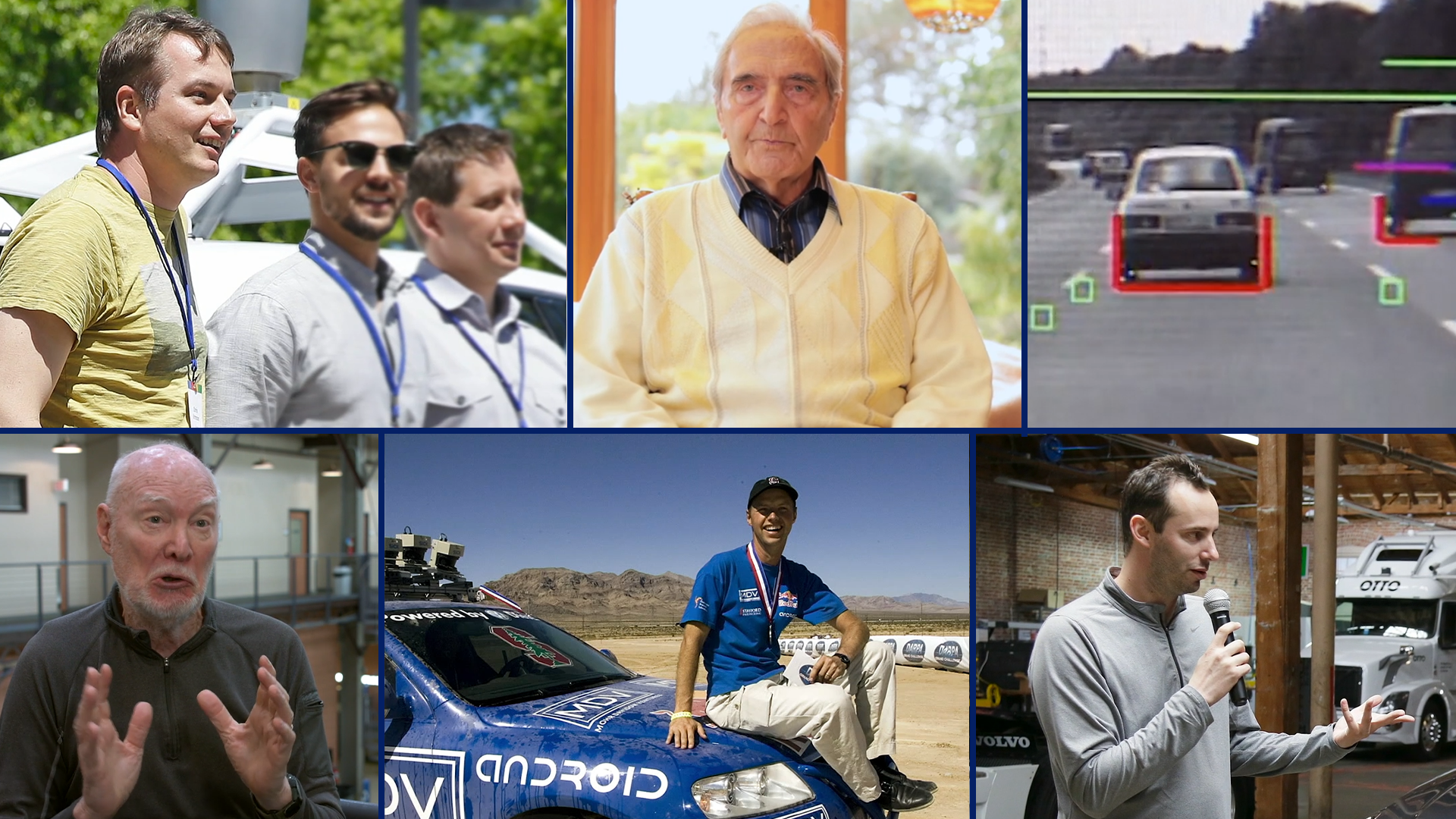
"A Driverless Tomorrow," an ABC7 Originals seven-part docuseries, chronicles the high-stakes journey of autonomous vehicle (AV) technology, transforming bold ideas into real-world breakthroughs. The series zeroes in on a pivotal moment in time when San Francisco became the global epicenter of this boom-and-bust industry.
Through deep-dive interviews with founders and key players, the docuseries navigates the intense drama, exploring the excitement, frustration, and hope that surrounded the frenzy of robotaxi companies deploying their technology on public streets. It's a comprehensive look at the triumphs, setbacks, and innovations shaping the future of transportation.
Go inside the autonomous revolution. Select a thumbnail below to watch the full episode.
Before Waymo and Silicon Valley’s self-driving boom, one engineer quietly put a driverless car on public roads decades earlier. Meet the nearly forgotten pioneer whose analog-era breakthroughs helped shape today’s autonomous vehicles — and why his story still matters now.
This documentary traces the overlooked origins of self-driving vehicles, spotlighting pioneers in Germany and the United States who experimented with autonomy in an era of limited computing power.
The film explores how early breakthroughs in computer vision, robotics and real-time processing influenced later developments, including the DARPA Grand Challenges that launched many of today’s leaders in autonomous technology.
For more on this episode, click here to read the full story.
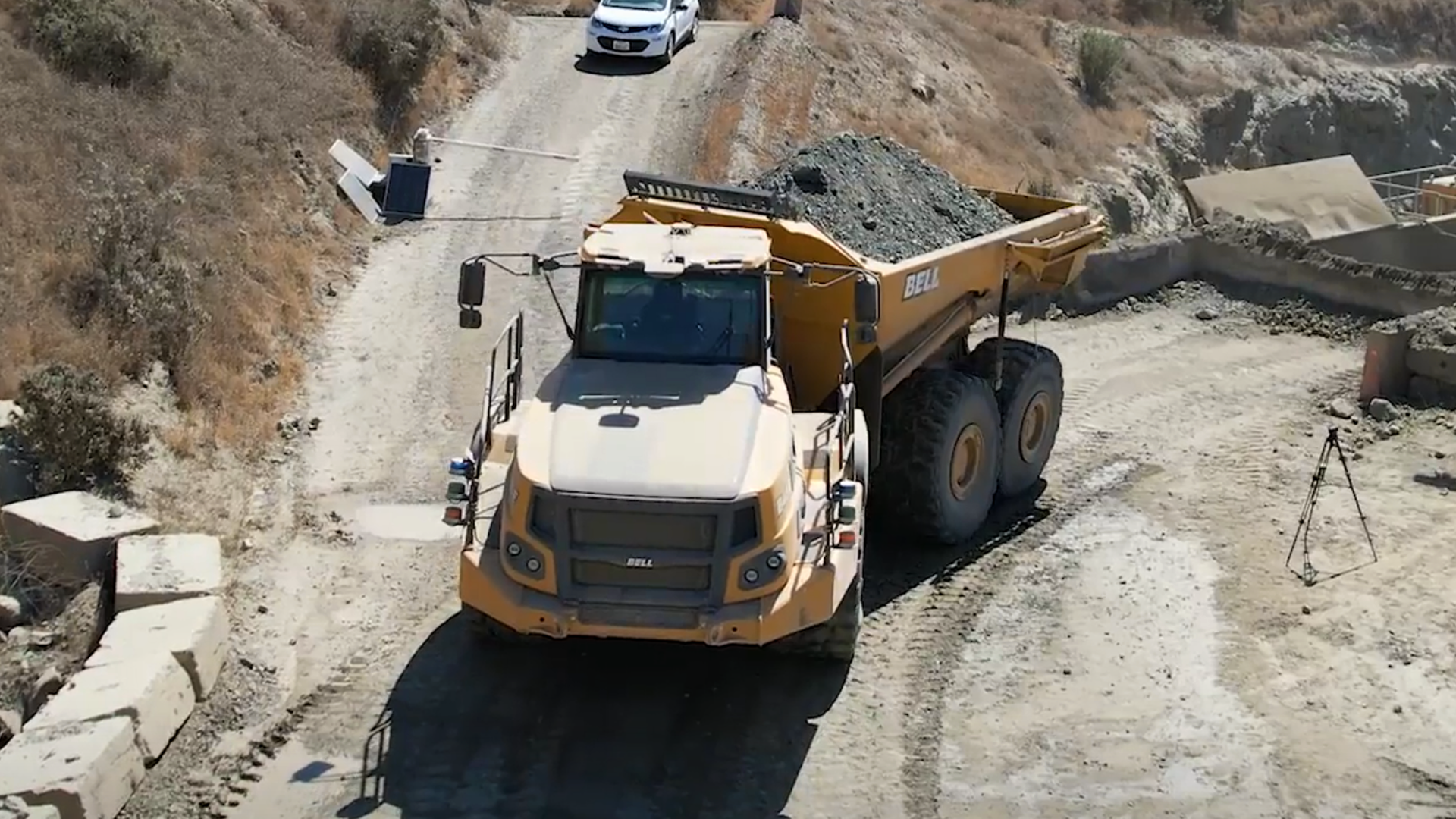
Robotaxis may be getting all the attention, but robotrucks are already carrying a heavy load of the work at mining and farming sites.
Autonomous trucks operate in farming and mining by using GPS, radar and lidar to navigate, detect obstacles and perform repetitive tasks such as hauling ore.
Right now, mining sites all over the world are harnessing the power of digital and autonomous mining systems to operate their autonomous fleet and deliver efficiency, improved safety and savings for their businesses.
But how has this cutting-edge technology transformed mining operations and how are autonomous technology companies navigating these complex operating environments?
For more on this episode, click here to read the full story.
In 2024, the nation's trucking freight bill was estimated at $906 billion in gross freight revenues and trucks moved roughly 72.7% of the nation's freight by weight in 2024, according to the American Trucking Association.
And autonomous trucking companies want a piece of those trucking dollars.
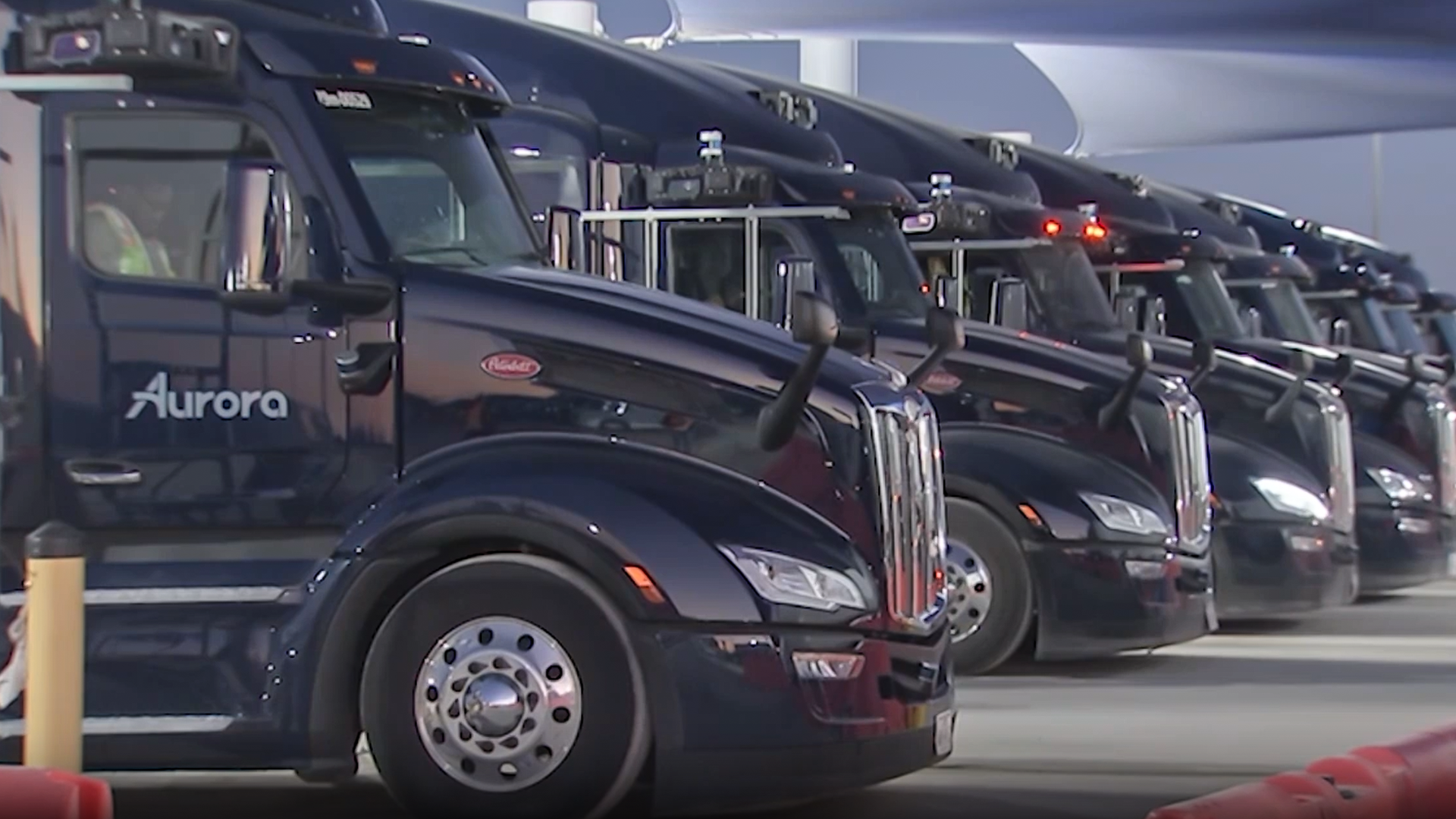
Aurora driverless trucks, among other players in the market, have begun transporting goods on the nation's freeways. That means more efficiency, but also potentially job losses for truck drivers.
Truck drivers worry about the loss of jobs, which are estimated to be between 11,000 and 300,000.
However, the trucking industry currently faces a shortage of drivers. Many have left as the price of diesel has gone up and rates for transporting goods have dropped.
It is a high stakes business with big bets and big returns but also a high rate of failure.
Will they succeed in revolutionizing the way the US economy moves goods across the nation?
Take a journey through innovation, failed attempts and rise of "A Driverless Tomorrow."
To read the full story, click here.
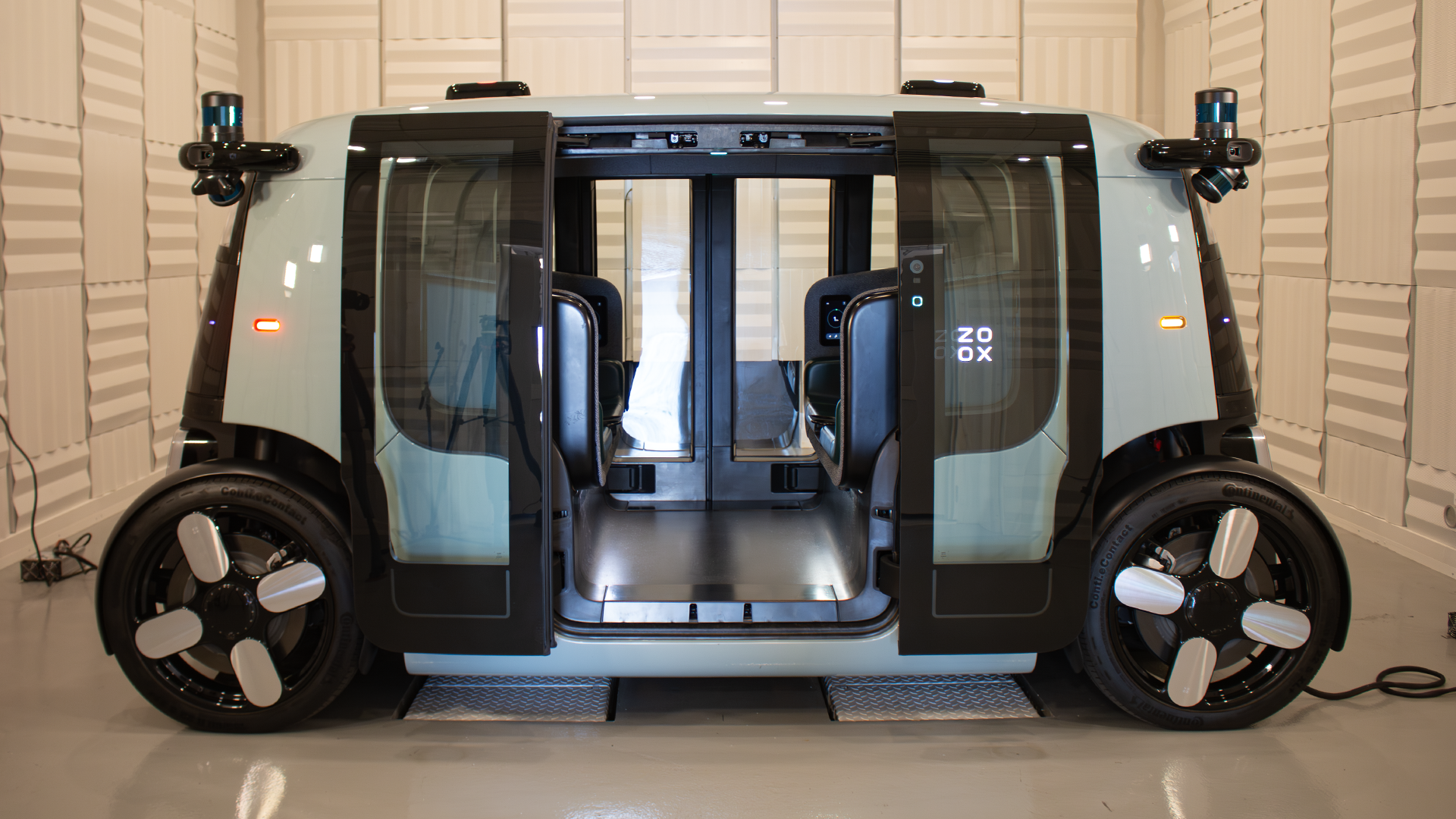
Motional and Zoox, two of the most prominent names in autonomous vehicles, are now on sharply different paths. It's been a treacherous and expensive road to achieving a driverless tomorrow.
The year was 2016 and the race was on to build a self-driving car. Automakers, tech companies and chip makers were all on the autonomous vehicle bandwagon.
To create a self-driving car like no other, the team at Zoox took apart a traditional car and redesigned the vehicle they envisioned from scratch, a vehicle that would not designed around a driver -- meaning no steering wheel and no gas or brake pedals.
Motional, which began as nuTonomy in 2013 founded by MIT research scientist Karl Iagenemma, launched the first robotaxi sevice in Singapore, the first-of-its-kind in the world.
Both companies had big ambitions and so much promise, but how did one end up suspending its robotaxi service and the other ramping up operations?
To read the full story, click here.
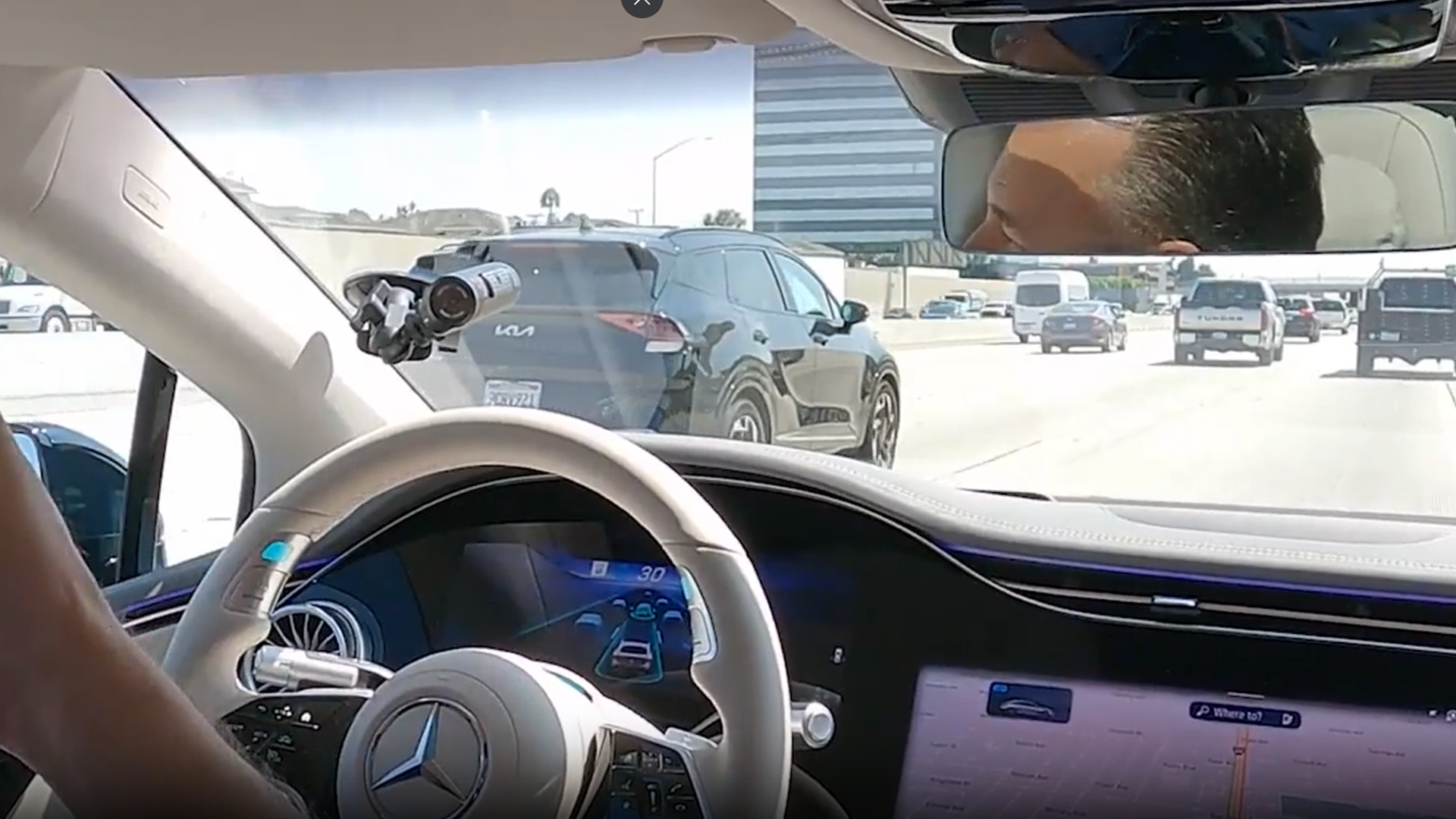
Mercedes is the first automaker in the U.S. to both certify and commercialize a Level 3 autonomous driving system for everyday consumers.
Mercedes became the first automaker approved to sell a level 3 autonomous system in the U.S. via its Drive Pilot. It secured approval in Nevada in early 2023, followed by California later that year. That made the system legally available -- under certain conditions -- to consumer buyers in both states.
Tesla could be described as AI-first and scale-driven, betting that the vast human driving data it collects will help the software improve over time by learning from real-world situations with their customers' cars on the street to feed their neural network. This, however, positions Tesla's drivers as part of the learning curve the AI needs to perfect its data for safety.
This has caused many problems, including lawsuits and deadly crashes that have arisen from either technical issues like sudden braking and navigational errors to problems caused by drivers taking their hands and eyes off the wheel, in the belief that the car can get them where they need to go without the driver needing to pay attention.
Tesla and Mercedes-Benz are both chasing a driverless future but in very different ways. Tesla is trying to learn its way there with AI at consumer scale and minimal hardware. Mercedes is certifying its way there with tightly-bounded operating domains, redundant sensors, and formal approvals. Both paths are reshaping what "a car for the consumer market" looks like.
To read the full story, click here.
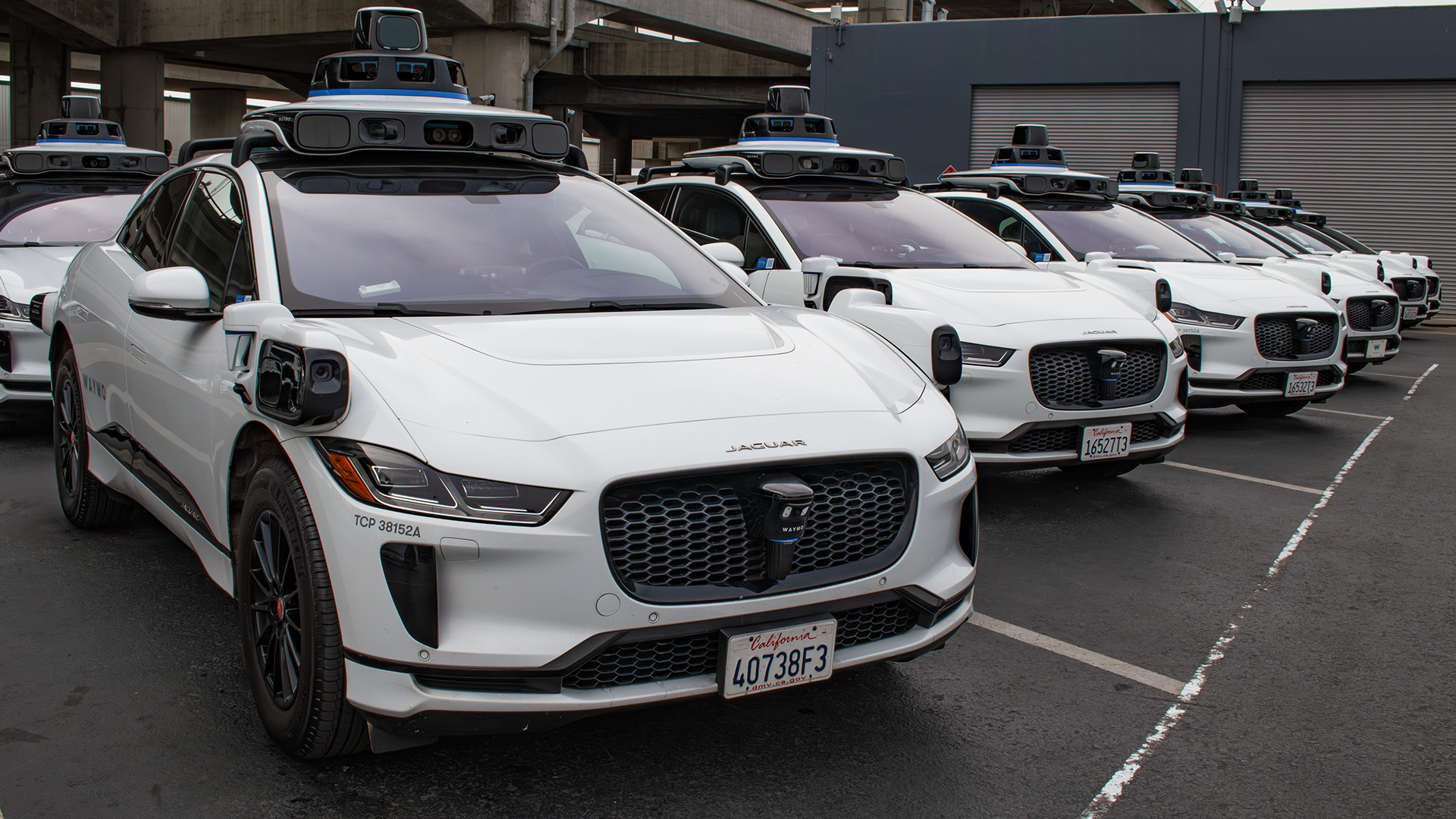
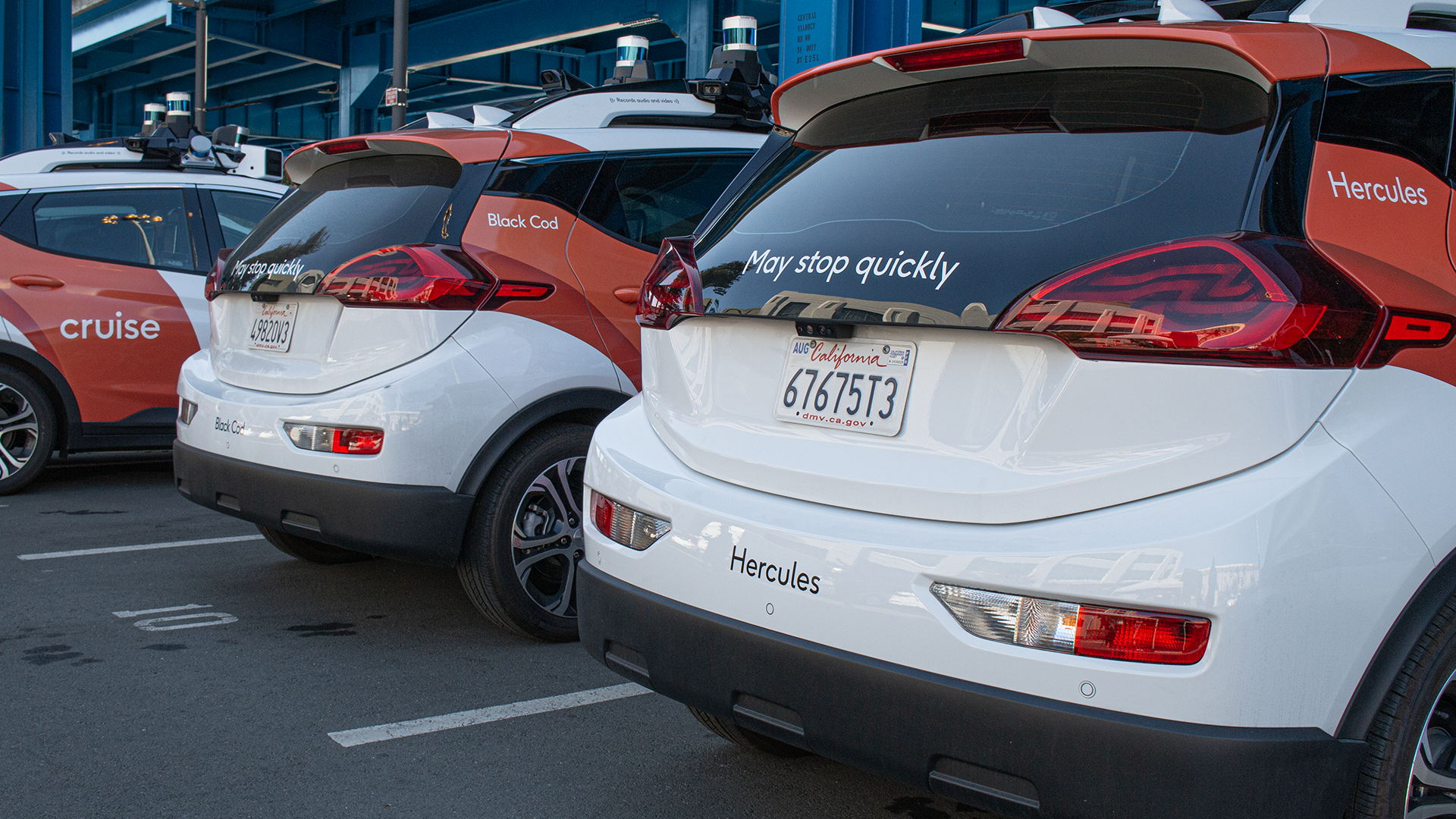
In 2023, San Francisco became the first and only city in the world where two rival driverless robotaxi companies operated side-by-side on public streets. It was the dawn of the world's first real robotaxi market, and the race was on between Alphabet's Waymo and General Motors' Cruise.
Both companies faced growing pains -- cars stalling in intersections, blocking emergency vehicles, and confusing pedestrians -- but it slowly became clear that of the two, Cruise stood out for its bold ambition.
"If San Francisco would like to be the world capital for AI, this is one way to prove to the world that we are really at the cutting edge." -Mo Elshenwany, Cruise
For a brief moment, it looked like Cruise might win the race to a driverless future. But just as quickly as it rose to prominence, Cruise came undone -- its dramatic fall from grace triggered by a single horrifying incident on the streets of San Francisco.
So how did Cruise, once a crown jewel of the AV industry, go from unicorn to cautionary tale in the span of just a year?
To read the full story of the rise and fall in fortunes for this former robotaxi titan, click here.
Waymo is the poster child of self-driving car tech, but the robotaxi giant's origins were born in a dirt race over 20 years ago.
"One of my very first jobs was to build a car that could safely drive in San Francisco. And we did so secretly, we didn't tell the public about it. We just had a safety driver inside who could safely take over. We drove in San Francisco and Los Angeles and around Lake Tahoe and never had an accident," Sebastian Thrun, co-founder of Google X project.
It's hard to stand on a sidewalk in San Francisco and not see a Waymo self-driving car pass by. But the road from dream to money-making reality has had as many ups and downs as the city's hilly landscape. Here's a look back at its journey to dominating the robotaxi industry.
For more on this episode, click here to read the full story.